Cholesterol. It’s one of those words you hear tossed around a lot, and let’s be honest: it probably stresses you out. But here’s the thing—cholesterol is NOT your enemy. In fact, it’s a vital part of your body’s processes. The trick is understanding it, separating myths from facts, and knowing how to keep it working for you, not against you. Let’s break it down, Bees Knees style: clear, motivating, and actionable!
What IS Cholesterol?
Cholesterol is a waxy, fat-like substance found in every cell of your body. It’s essential for making hormones (like estrogen), vitamin D, and bile acids that help you digest fat. Your liver makes most of the cholesterol your body needs, but you also get some from food.
There are two main types:
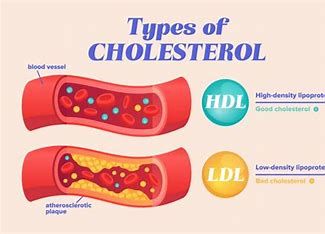
LDL (Low-Density Lipoprotein): Known as "bad cholesterol," it can build up in the walls of your arteries and lead to blockages if levels are too high.
HDL (High-Density Lipoprotein): The "good cholesterol," HDL helps remove excess cholesterol from your bloodstream and sends it back to your liver to be processed.
The Good, the Bad, and the Myths
The Good:
Cholesterol is critical for producing estrogen, testosterone, and cortisol.
It helps build cell membranes and supports brain function.
The Bad:
Too much LDL cholesterol can contribute to plaque buildup in arteries, increasing the risk of heart disease and stroke.
The Myths:
Eggs Raise Cholesterol: This one’s outdated! While eggs do contain dietary cholesterol, studies have shown they don’t significantly impact blood cholesterol for most people. Enjoy those omelets guilt-free!
All Cholesterol is Bad: Nope. HDL cholesterol is your ally, and even LDL has a role—it only becomes a problem when it’s in excess or oxidized.
Women, Cholesterol, and Low Estrogen
Ladies, this one’s for you. As estrogen levels drop (hello, menopause), LDL cholesterol often rises while HDL dips. Why? Estrogen plays a key role in regulating cholesterol by increasing HDL and reducing LDL. Lower estrogen levels mean less of this protective effect, which can raise your risk of heart disease. But don’t worry—there are ways to manage it, and we’ll get to that in a sec!
6 Science-Backed Strategies to Manage Cholesterol
Move Your Body: Exercise—especially cardio—can lower LDL and boost HDL. Aim for at least 150 minutes a week.
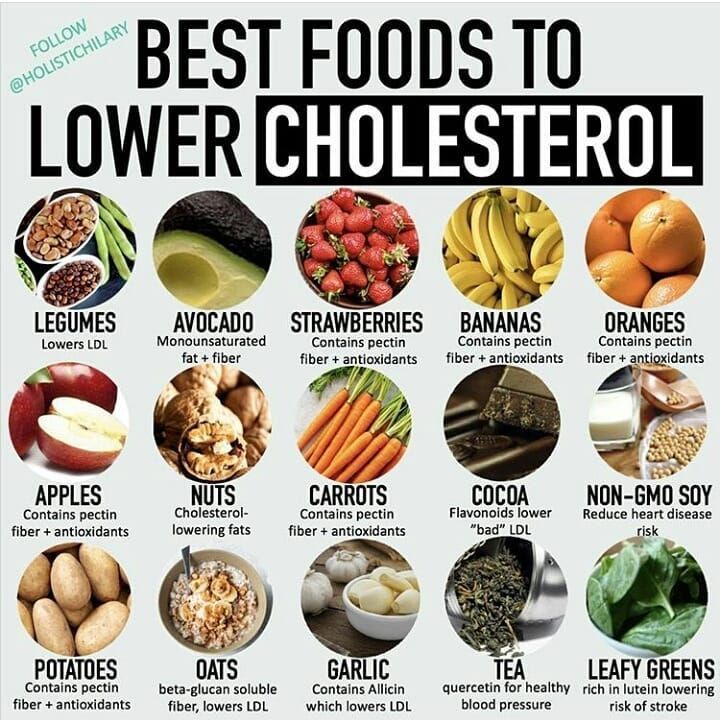
Eat Heart-Healthy Fats: Swap out saturated and trans fats for unsaturated fats like those in avocados, nuts, seeds, and olive oil.
Increase Fiber: Soluble fiber (found in oats, beans, and fruits) binds to cholesterol in the digestive system and helps remove it.
Cut Back on Added Sugars: Excess sugar can lower HDL and increase LDL. Stick to whole, nutrient-rich foods instead.
Quit Smoking: If you smoke, quitting can significantly improve your HDL levels.
Limit Alcohol: Moderate drinking (if any) can help manage cholesterol and overall heart health.
5 Ways to Increase Your HDL Levels
Get Moving: Aerobic exercise like running, swimming, or cycling is especially effective for raising HDL.
Add Omega-3s: Fatty fish like salmon, mackerel, and sardines are loaded with heart-healthy omega-3 fatty acids.
Choose Healthy Oils: Cooking with olive oil or avocado oil can boost your HDL while keeping LDL in check.
Lose Excess Weight: Even small amounts of weight loss can improve your HDL levels.
Snack Smart: Grab a handful of almonds, walnuts, or chia seeds—they’re great for your heart and cholesterol levels.
Let’s Take Action
Cholesterol doesn’t have to be scary. Armed with knowledge and a few smart choices, you can take control of your numbers and protect your heart for the long haul.
Start by:
Scheduling regular cholesterol checks.
Adding heart-healthy foods to your plate.
Moving your body in ways you enjoy (come join us at Bees Knees Wellness!).
Your health is worth it. One step, one meal, one choice at a time—you’ve got this!
Ready to take charge of your wellness? Let’s keep this conversation going. Share your questions and success stories below!